
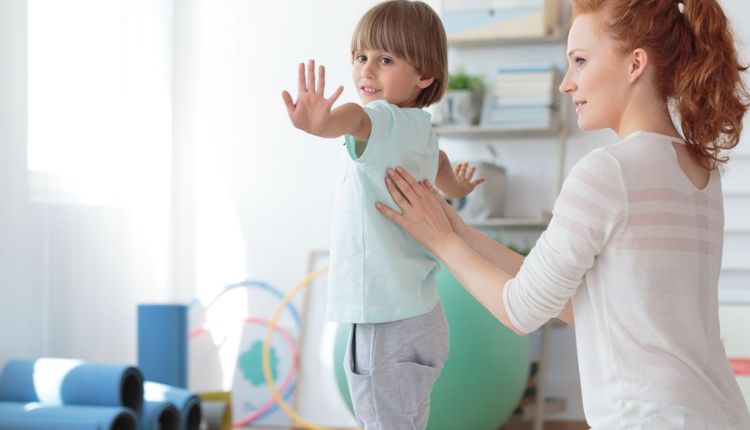
Children’s musculoskeletal health demands a level of precision that extends far beyond standard orthopedic practice. Bones are still forming, joints are adapting, and growth plates remain highly sensitive to intervention. Within this delicate stage of development, families often seek the best pediatric orthopedic surgeon to ensure that treatment decisions support both immediate recovery and long-term structural balance.
Pediatric orthopedics is centered on preserving natural growth while correcting abnormalities that may otherwise progress into adulthood. Every diagnosis requires careful evaluation, not only of the present condition but also of how it may evolve over time. This measured approach defines the difference between temporary relief and lasting functional outcomes.
Understanding Pediatric Orthopedic Needs
Orthopedic concerns in children differ significantly from those seen in adults, both in cause and progression. Conditions may arise at birth, develop during growth, or result from injuries sustained through active play. Each scenario requires a distinct clinical approach tailored to the child’s developmental stage.
Unlike adult care, treatment strategies must account for ongoing skeletal changes. Intervention is often timed to align with growth patterns, ensuring that correction does not interfere with natural development. This balance requires close observation and specialized judgment throughout the treatment journey.
Common Conditions Managed in Children
A wide range of musculoskeletal conditions can affect children, each presenting unique challenges in diagnosis and management. From visible deformities to subtle gait irregularities, early signs often require expert interpretation to prevent long-term complications.
Timely identification plays a crucial role in improving outcomes. Parents may notice asymmetry, discomfort during movement, or delayed physical milestones, all of which warrant thorough clinical evaluation.
- Congenital conditions such as clubfoot
- Developmental concerns like hip dysplasia
- Limb deformities and alignment issues
- Fractures and injury-related complications
- Spine conditions including scoliosis
The Role of Early Diagnosis and Monitoring
Early detection remains one of the most effective tools in pediatric orthopedic care. Identifying issues during formative years allows for interventions that are less invasive and more responsive to natural growth processes. This proactive approach significantly improves recovery prospects.
Monitoring continues to play an essential role even after initial diagnosis. Regular assessments ensure that treatment remains aligned with the child’s development, allowing clinicians to adjust strategies as needed. This continuity supports both safety and effectiveness in care.
Treatment Approaches Designed for Growing Bodies
Management of pediatric orthopedic conditions involves a combination of surgical and non-surgical methods tailored specifically for children. The objective is to correct abnormalities while safeguarding growth potential and minimizing discomfort during recovery.
Non-invasive options are often prioritized where appropriate, particularly in early-stage conditions. When surgical intervention becomes necessary, procedures are carefully planned to maintain structural integrity and support future development.
- Child-focused corrective procedures
- Casting and bracing techniques
- Physiotherapy-based rehabilitation
- Structured follow-up for developmental tracking
Specialized Expertise in Child-Centered Care
Effective outcomes rely on expertise that is dedicated exclusively to pediatric orthopedics. An orthopedic pediatric specialist possesses a deep understanding of growth patterns, behavioral dynamics, and age-specific treatment responses, ensuring that care remains both precise and appropriate.
Children require a different clinical environment compared to adults. Communication, reassurance, and adaptability are essential in building trust and ensuring cooperation during examinations and treatment. This specialized approach enhances both clinical results and patient experience.
Rehabilitation and Long-Term Recovery
Recovery extends well beyond the completion of treatment. Rehabilitation programs are designed to restore strength, mobility, and coordination, enabling children to return to daily activities with confidence and ease. Each plan is tailored to the child’s age and condition.
Follow-up care ensures that progress is sustained over time. As children grow, previously treated conditions may require reassessment, making long-term monitoring a critical component of successful outcomes.
Multidisciplinary Collaboration in Treatment
Pediatric orthopedic care often benefits from collaboration across multiple medical disciplines. Integrating expertise from different specialties allows for a more comprehensive understanding of each child’s condition and overall health.
Such coordination ensures that treatment plans address not only structural concerns but also functional and developmental aspects. This holistic model supports more consistent and effective care delivery.
- Coordination with pediatricians for overall health monitoring
- Integration of physiotherapy for functional recovery
- Access to diagnostic support for accurate assessment
- Structured care pathways across specialties
Addressing Emotional and Family Considerations
Orthopedic conditions can influence a child’s emotional well-being as much as their physical health. Anxiety related to treatment, hospital visits, or restricted mobility can affect recovery and cooperation. Addressing these concerns is a vital part of comprehensive care.
Family involvement plays a defining role in successful outcomes. Parents provide continuity outside the clinical setting, ensuring that treatment plans are followed and progress is maintained between visits.
Building Trust with Young Patients
Establishing trust is fundamental in pediatric care environments. Children respond more positively when clinicians communicate in a calm and reassuring manner. This interaction reduces fear and encourages participation during treatment.
A supportive clinical setting further enhances comfort. Familiarity with surroundings and caregivers contributes to a more positive healthcare experience.
Importance of Parental Guidance
Parents are central to managing a child’s orthopedic condition. Their observations help identify early symptoms, while their involvement ensures adherence to treatment plans. Clear guidance from clinicians empowers families to make informed decisions.
Understanding the condition and expected outcomes allows parents to provide effective support throughout the recovery process.
Encouraging Active Recovery
Rehabilitation often requires consistent participation from the child. Encouraging involvement through structured activities helps maintain progress and prevents delays in recovery. Motivation becomes an essential factor in achieving desired outcomes.
Positive reinforcement and routine-based exercises support engagement. These strategies ensure that recovery remains both effective and manageable.
Monitoring Growth and Development
Growth can influence the long-term success of orthopedic treatment. Continuous monitoring allows clinicians to assess alignment, mobility, and overall progress as the child develops. Adjustments may be required to maintain optimal outcomes.
Regular follow-ups provide opportunities to address emerging concerns early. This proactive approach supports sustained improvement and reduces the likelihood of complications.
Final Thoughts
What truly determines whether a child regains full mobility while continuing to grow without limitations? The answer lies in specialized care that balances correction with development, supported by a structured and child-focused clinical environment. Within this framework, Ankura Hospital delivers dedicated pediatric orthopedic services alongside a broader network of child health specialties, including Rheumatology immunology, enabling comprehensive management of complex conditions.
Families seeking dependable treatment pathways often prioritize centers that combine clinical precision with continuity of care. Ankura Hospital reflects this approach through specialized pediatric infrastructure, experienced clinicians, and integrated support systems designed to guide children from diagnosis through recovery and beyond.
